
🏛️ Kathmandu Valley Heritage Home to seven UNESCO World Heritage Sites, including Patan Durbar Square, Boudhanath Stupa, and Swayambhunath (Monkey Temple).
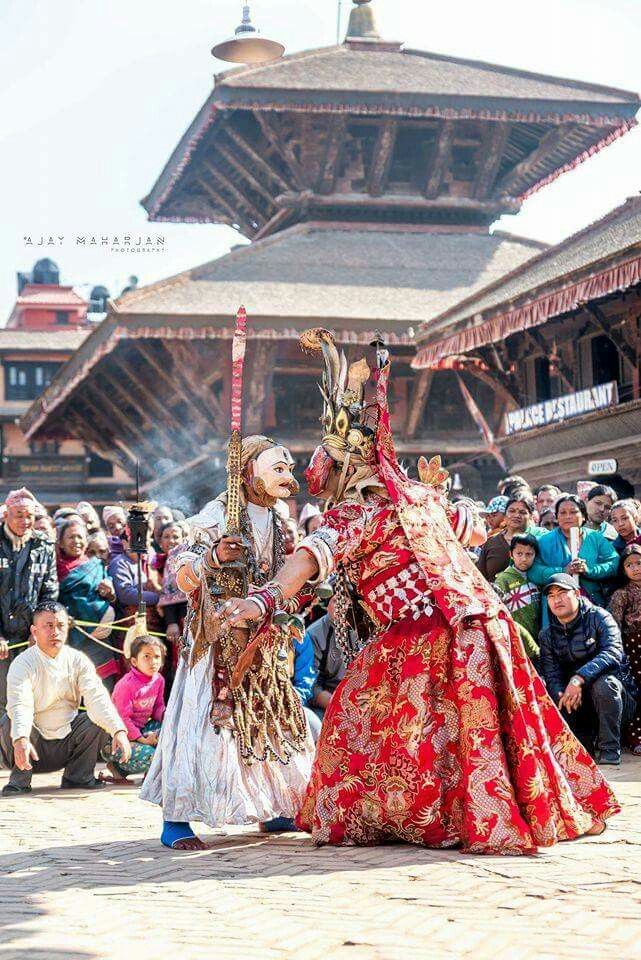
🕌 Living Museums Cities like Kathmandu, Bhaktapur, and Patan showcase centuries-old rituals amid ancient palaces and pagodas.
🎭 Ethnic Diversity Over 100 ethnic groups contribute to Nepal’s vibrant cultural mosaic through language, art, and tradition.
🧘 Spiritual Harmony Hinduism and Buddhism coexist peacefully, reflected in temples, stupas, and shared festivals.
🎉 Festival Immersion Dashain, Tihar, and Indra Jatra blend myth, music, and devotion into unforgettable celebrations.
🪵 Newari Craftsmanship Renowned for intricate woodwork, metal artistry, and traditional urban design.
🕯️ Living Traditions Rituals and craftsmanship practiced as they were centuries ago—authentic and enduring.
🗣️ Himalayan Voices Experience Sherpa chants in the mountains and Tharu dances in the Terai.
🏞️ Cultural Landscapes From lush valleys to sacred peaks, every region tells a unique cultural story.
🍵 Community Life Tea houses, temples, and town squares remain vibrant centers of faith and connection.
Clothing
- Lightweight, breathable clothing for daytime sightseeing
- Modest attire for temple visits (long sleeves, pants, or shawl)
- Warm layers for cooler mornings and evenings
- Comfortable walking shoes or sandals
- Rain jacket or umbrella (especially during monsoon season)
Accessories
- Sun hat or cap
- Sunglasses with UV protection
- Sunscreen and lip balm
- Reusable water bottle
- Small daypack for daily excursions
Essentials
- Personal ID and travel documents (passport, visa, insurance)
- Camera or smartphone with extra batteries/memory cards
- Personal toiletries and medications
- Hand sanitizer and wet wipes
- Power adapter (Type C/D/M)
Optional Items
- Notebook or journal for cultural reflections
- Local guidebook or phrasebook
- Snacks for long sightseeing days
- Lightweight scarf or shawl for temple etiquette
Cultural & Historical Nepal
Nepal is not just a destination—it’s a living tapestry of history, spirituality, and vibrant traditions. The Kathmandu Valley stands as the cultural heart of the country, home to seven UNESCO World Heritage Sites, including the intricately carved temples of Patan Durbar Square, the majestic stupa of Boudhanath, and the serene Swayambhunath, also known as the Monkey Temple. These sites are not just relics; they are active centers of faith and community life that have withstood the test of time.
Cities like Kathmandu, Bhaktapur, and Patan function as living museums, where centuries-old rituals are performed daily amidst the backdrop of ancient palaces and pagodas. Beyond the valley, Nepal’s cultural richness extends across its diverse ethnic communities—each with their own languages, customs, and celebrations. From the rhythmic Sherpa chants in the Himalayas to the vibrant Tharu dances of the Terai, every corner of Nepal offers a different story. Festivals like Dashain, Tihar, and Indra Jatra are not mere spectacles—they are immersive experiences where myth, music, and devotion come to life.
Special Features of Cultural & Historical Nepal:
- Seven UNESCO World Heritage Sites: A concentrated heritage zone within the Kathmandu Valley.
- Newari Architectural Mastery: Intricate woodwork, metal craft, and traditional urban planning still preserved and practiced.
- Ethnic Diversity: Over 100 ethnic groups, each contributing to Nepal’s cultural mosaic with their own languages, traditions, and arts.
- Spiritual Convergence: Harmonious coexistence of Hinduism and Buddhism, evident in temples, stupas, and shared festivals.
- Living Traditions: Rituals, craftsmanship, and communal celebrations carried out exactly as they were for centuries.